
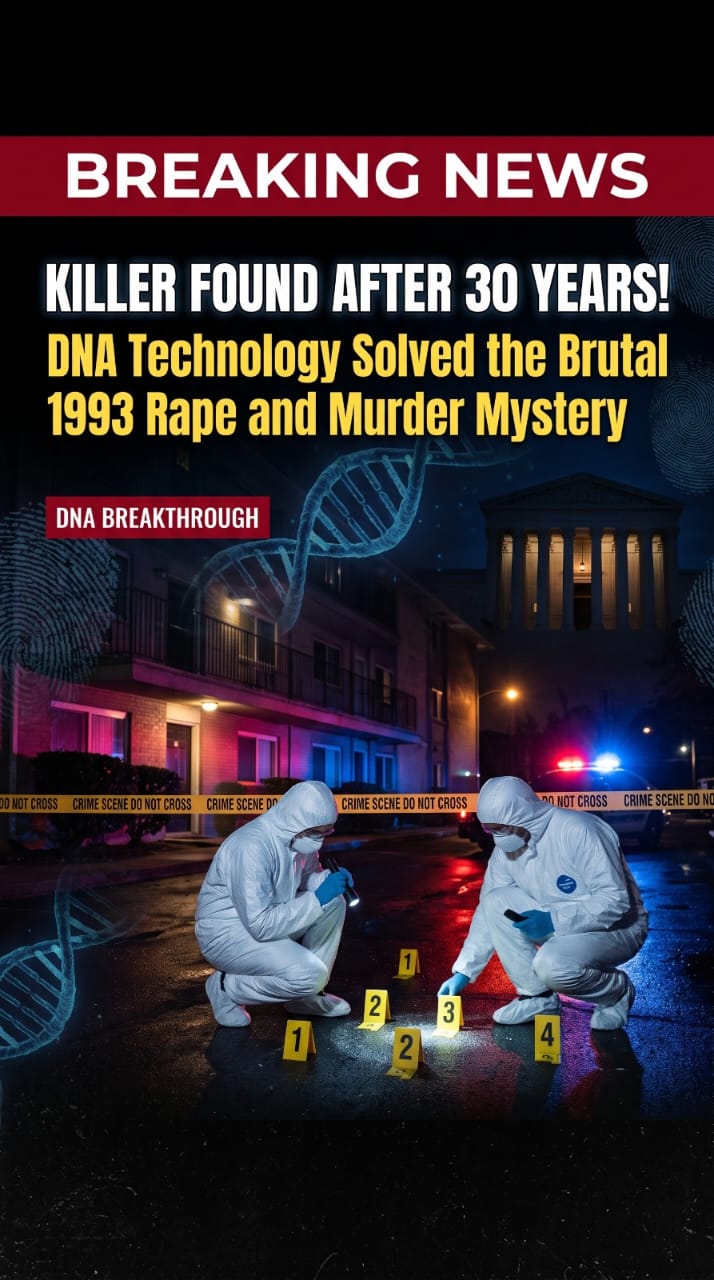
A major breakthrough in forensic genetic genealogy has finally brought justice in the decades-old rape and murder case of 19-year-old Carmen Van Huss, whose brutal killing shocked Indianapolis in 1993. After more than 30 years without an arrest, investigators used advanced DNA technology to identify her former neighbor, Dana Shepherd, as the perpetrator. Shepherd later pleaded guilty to the crime and was sentenced to 45 years in prison, bringing long-awaited closure to Van Huss’s family and the community.
The Crime
In March 1993, Carmen Van Huss was found murdered inside her apartment in north Indianapolis. The attack was exceptionally violent—she was raped and stabbed 61 times, indicating a fierce struggle with her attacker. Detectives collected biological evidence, including DNA, from the crime scene, but at the time the available forensic technology was not advanced enough to identify the suspect. Despite extensive investigations and numerous leads, the case eventually became a cold case.
The Investigation
Years later, advances in DNA science provided investigators with a new opportunity. In 2018, the Indianapolis Metropolitan Police Department submitted the preserved crime scene DNA to Parabon NanoLabs, a company specializing in forensic genetic genealogy (FGG). Unlike traditional DNA databases, FGG compares an unknown DNA profile with voluntary DNA data uploaded by individuals to genealogy databases. By identifying distant genetic relatives and building detailed family trees, investigators can narrow down potential suspects who may be related to the unknown DNA contributor.
This innovative investigative method has helped solve numerous cold cases across the United States, including several murders and sexual assault cases that had remained unsolved for decades.
Identifying the Suspect
The genetic genealogy analysis eventually pointed investigators toward Dana Shepherd, who was 20 years old at the time of the murder. Shepherd had lived in an apartment connected to Carmen Van Huss’s building through a shared common area, making it possible for him to access the location without attracting suspicion.
After additional investigation and DNA confirmation, police identified Shepherd as the individual whose DNA matched the evidence collected from the crime scene.
Arrest and Conviction
In August 2024, law enforcement officers arrested Dana Shepherd in Columbia, Missouri, before extraditing him to Indiana to face charges. Faced with overwhelming DNA evidence and the results of the forensic investigation, Shepherd agreed to a plea deal and admitted responsibility for the rape and murder of Carmen Van Huss.
In February 2026, an Indiana court sentenced Shepherd to 45 years in prison. Although the conviction came more than three decades after the crime, it marked the successful resolution of one of Indianapolis’s longest-running cold cases.
Significance of the Case
The Carmen Van Huss investigation demonstrates the growing importance of forensic genetic genealogy in modern criminal investigations. By combining traditional detective work with cutting-edge DNA analysis, investigators were able to identify a suspect who had avoided justice for over 30 years. The case highlights how advances in forensic science continue to solve long-unsolved crimes, provide answers to victims’ families, and hold offenders accountable even decades after the crimes were committed.